


How technology has changed our lives can be seen in almost everything we do today. Technology is no longer just a tool – it is an invisible layer shaping how we think, work, learn, communicate, and live. In 2026, artificial intelligence, cloud computing, automation, and smart devices influence nearly every decision we make.
Companies like OpenAI, Google DeepMind, Microsoft, Apple, and NVIDIA are accelerating innovation at a pace the world has never experienced before.
From AI assistants writing emails to wearable devices tracking our health in real time, technology has deeply transformed modern life – bringing both opportunity and responsibility.
Technology has changed our lives by making communication faster, education more accessible, healthcare smarter, businesses more efficient, and everyday tasks more convenient. From smartphones and cloud computing to artificial intelligence and automation, technology now influences how we work, learn, shop, communicate, and make decisions every day.
Let’s explore 12 powerful ways technology has changed our lives in 2026.
1. Technology Has Transformed Education
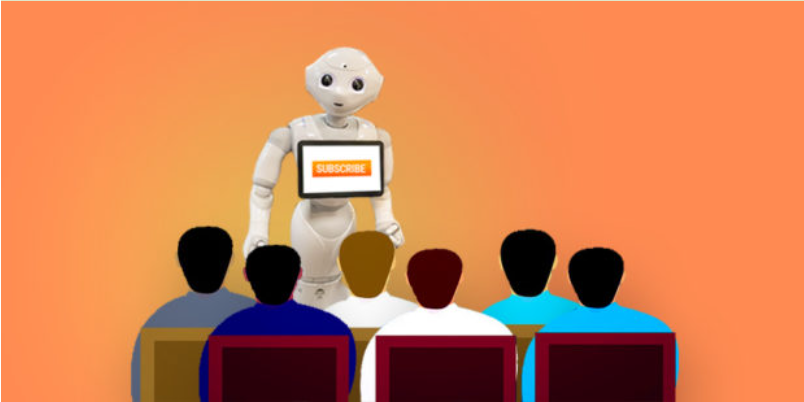
Technology has fundamentally transformed how we learn in 2026. In the past, accessing quality education depended heavily on location, physical classrooms, and printed textbooks. Learning was often rigid, slow, and limited to scheduled class hours.
Today, education is digital, personalized, and globally accessible.
With just an internet connection and a device, learners can access world-class instruction, earn certifications, and develop job-ready skills from anywhere in the world.
Online Learning Platforms
Platforms like Coursera, Udemy, and Khan Academy provide flexible, self-paced courses across technology, business, healthcare, and creative fields.
In 2026, micro-credentials and skill-based certifications are increasingly valued by employers alongside traditional degrees.
AI-Powered Learning Assistants
Artificial intelligence has become a personal tutor for millions of students. Tools like ChatGPT help explain complex topics, generate practice questions, summarize lessons, and provide instant feedback.
AI-driven adaptive systems personalize learning paths based on a student’s strengths and weaknesses, making education more efficient and targeted than ever before.
UNESCO also highlights both the opportunities and challenges of using artificial intelligence in education.
Virtual and Hybrid Classrooms
Digital collaboration tools such as Google Classroom and Microsoft Teams have transformed traditional classrooms into interactive online environments.
Students can:
- Attend live lectures remotely
- Participate in global discussions
- Submit assignments digitally
- Collaborate on projects in real time
Hybrid education models combining in-person and online learning are now standard in many institutions.
Gamification and Interactive Learning
Platforms like Kahoot! and Quizlet make learning interactive through quizzes, simulations, and competitive activities.
Gamification improves engagement and retention, especially among younger learners.
Language and Skill Development Apps
AI-based apps such as Duolingo and Rosetta Stone personalize language education using adaptive algorithms and real-time feedback.
Global Access to Experts
Technology enables students to connect with professors, mentors, and industry professionals worldwide via video conferencing, webinars, and online communities — something nearly impossible a decade ago.
The 2026 Reality of Education
Education is no longer limited by geography, schedules, or traditional systems. It is:
- Flexible
- Skill-focused
- AI-enhanced
- Globally connected
- Continuously evolving
Technology has not just improved education it has redefined how knowledge is created, delivered, and consumed.
Here you can learn the dedicated articles:
How has technology improved education?
How important is technology in education
2. Technology Has Changed the Way We Communicate

Communication in 2026 is instant, intelligent, and global. In the past, long-distance communication depended on letters, landline phones, or expensive international calls. Today, smartphones, cloud platforms, and AI-powered tools allow us to connect with anyone, anywhere, in seconds.
Speed, accessibility, and automation define modern communication.
Instant Messaging and Social Platforms
Apps like WhatsApp and Telegram enable real-time text messaging, voice notes, and video calls across borders.
Social platforms such as Instagram, LinkedIn, and X allow individuals and businesses to share ideas, build communities, and communicate publicly at scale.
Communication is no longer private or local it is digital and global.
Video Conferencing and Remote Collaboration
Remote work and global teams are now normal.
Tools like:
- Zoom
- Microsoft Teams
- Google Meet
make face-to-face meetings possible without physical presence.
Businesses conduct interviews, webinars, training sessions, and international negotiations entirely online.
AI-Enhanced Communication
One of the biggest 2026 changes is artificial intelligence in communication.
AI tools now:
- Draft emails automatically
- Summarize long meetings
- Translate conversations in real time
- Generate captions and transcripts
- Improve grammar and tone
Platforms integrate AI to increase clarity, productivity, and speed.
Workplace Collaboration Platforms
Team communication has moved beyond email.
Platforms like Slack centralize discussions, file sharing, and project coordination, reducing dependency on traditional inbox-based communication.
Cloud-based collaboration allows distributed teams to work as if they are in the same office.
The 2026 Reality of Communication
Technology has made communication:
- Faster
- Borderless
- More visual
- More data-driven
- AI-assisted
However, it has also introduced challenges such as information overload, reduced attention spans, and privacy concerns.
The way we communicate has not just changed it has evolved into a fully digital ecosystem.
Learn a dedicated article: How technology has affected communication
3. New Digital Habits and the Rise of Digital Addiction

One of the biggest ways technology has changed our daily lives is by changing our habits, attention, and relationship with screens. Rapid technological advancement has reshaped daily behavior especially among children and teenagers.
In 2026, smartphones, social media platforms, gaming apps, and AI-powered content feeds are deeply integrated into everyday life. For many young users, technology is not just a tool for learning or communication it is a primary source of entertainment, validation, and social interaction.
This shift has created new digital habits, some beneficial and others concerning.
The Attention Economy
Modern platforms are designed to maximize engagement. AI-driven algorithms personalize content based on user behavior, making feeds highly addictive.
Apps like TikTok and Instagram continuously refine recommendations to keep users scrolling longer.
This has contributed to:
- Increased screen time
- Reduced attention spans
- Dependence on notifications and social validation
- Difficulty disconnecting from devices
For parents and educators, managing healthy digital boundaries has become more complex than ever.
AI and Creativity Support, Not Replacement
Artificial intelligence can assist creativity but it does not replace it.
Tools like ChatGPT can generate ideas, write drafts, and help brainstorm concepts. Design and art tools powered by AI can speed up production.
However, true creativity still depends on human imagination, emotional intelligence, and original thinking. AI acts as a collaborator not the source of creative intent.
The Psychological Impact
Continuous exposure to digital platforms can affect:
- Focus and deep thinking
- Sleep patterns
- Self-esteem (through social comparison)
- Real-world social skills
At the same time, technology also provides educational access, creative tools, and global communities.
The key challenge in 2026 is not eliminating technology it is using it intentionally.
The Real Issue: Balance
Technology is evolving rapidly, and future generations will grow up in an AI-native environment. The responsibility lies in teaching digital literacy, critical thinking, and healthy usage habits.
The goal is not to reject technology – but to ensure it enhances human development rather than limiting it.
Dedicated Article: How to Stop Being Addicted to Your Mobile Phone
More: How to stop playing mobile betting games
4. Technology Has Changed Our Everyday Lifestyle

Technology has significantly reshaped modern lifestyles, influencing how we shop, socialize, manage time, and even take care of our health. In 2026, daily life is deeply connected to smartphones, smart devices, and digital platforms. While technology has increased comfort and convenience, it has also changed human behavior and priorities.
Social media has amplified appearance-driven culture, where validation often comes from likes, comments, and online visibility. The pressure to maintain a digital image can influence self-esteem and decision-making. At the same time, technology has simplified everyday tasks. Online shopping platforms provide instant access to global products, price comparisons, and doorstep delivery saving time but encouraging impulsive buying habits.
Smart devices and wearable technology now track steps, sleep cycles, heart rate, and productivity levels. Digital wallets allow contactless payments within seconds. Streaming platforms replace traditional television, and food delivery apps bring restaurants to our homes. Convenience has increased dramatically, but physical activity and face-to-face interaction have decreased for many people.
To navigate these lifestyle shifts, balance has become essential. Individuals must consciously manage screen time, prioritize offline relationships, and engage in real-world experiences. Mindful technology use means choosing when and how to engage rather than reacting automatically to notifications.
Technology should enhance human connection, not replace it. Video calls and messaging apps help maintain relationships across distances, but genuine emotional bonds still require presence and attention. Taking regular breaks from devices, spending time in nature, and engaging in physical activities help maintain mental and emotional well-being.
In 2026, the challenge is not avoiding technology – it is integrating it in a way that supports health, relationships, productivity, and long-term well-being. Lifestyle has become smarter and more efficient, but personal discipline determines whether that change is positive or harmful.
Related: – Importance of computer education in school for students
5. Technology Has Changed Healthcare and Personal Health

Technology has transformed healthcare more dramatically in the past decade than ever before. In 2026, digital tools, artificial intelligence, wearable devices, and telemedicine platforms are deeply integrated into modern health systems. While fast-paced digital lifestyles can contribute to stress and inactivity, technology has also significantly improved diagnosis, treatment, and life expectancy worldwide.
In the past, healthcare relied heavily on physical visits, manual records, and limited diagnostic tools. Today, patients can consult doctors remotely through telemedicine platforms, monitor chronic conditions using wearable devices, and receive AI-assisted diagnoses within minutes. Smartwatches track heart rate, sleep patterns, oxygen levels, and physical activity in real time. Preventive care is becoming more data-driven and personalized.
Artificial intelligence is now used to detect diseases earlier and more accurately. Companies like Moderna advanced mRNA vaccine technology, accelerating global medical innovation. Organizations such as World Health Organization continue to emphasize digital health integration to improve global access to care.
However, modern lifestyles shaped by technology also present challenges. Increased screen time, sedentary habits, and digital stress can negatively affect physical and mental well-being. Processed food consumption, reduced outdoor activity, and constant connectivity have contributed to rising concerns around anxiety, obesity, and sleep disorders.
It would be inaccurate to suggest that technology has reduced human lifespan overall. In fact, medical advancements, sanitation systems, and pharmaceutical innovation have helped increase life expectancy in many parts of the world. The real issue lies in how technology is used – whether it promotes healthy habits or encourages unhealthy dependency.
The balance between innovation and well-being is critical. Technology can extend lives, improve surgical precision, and expand healthcare access – but individuals must adopt responsible habits to ensure digital convenience does not replace physical activity, natural environments, and human interaction.
In 2026, technology is not the enemy of health. Misuse and imbalance are the real concerns. When used wisely, technology becomes one of the most powerful tools for improving global well-being.
6. The Challenge to Critical Thinking in the Digital Age

In 2026, information is no longer scarce – it is overwhelming. Businesses, platforms, and advertisers collect behavioral data based on what users search, click, watch, and purchase. This data-driven ecosystem shapes the content we see, the products we are offered, and even the opinions that appear in our feeds. Algorithms personalize experiences for convenience, but they can also limit exposure to diverse perspectives.
Search engines such as Google Search and AI tools like ChatGPT provide instant answers to complex questions. While this increases efficiency, it can reduce the habit of deep research, reflection, and independent problem-solving if used passively.
Technology has made knowledge accessible within seconds, but it has also introduced new challenges:
- Information overload
- Misinformation and deepfakes
- Algorithm-driven echo chambers
- Reduced attention span
- Dependence on summaries instead of detailed analysis
Critical thinking is not disappearing – but it now requires conscious effort. In a world of AI-generated content and automated recommendations, the ability to question sources, verify information, and think independently has become more important than ever.
Modern education increasingly emphasizes media literacy, analytical reasoning, and responsible AI usage. Instead of memorizing information, students are learning how to evaluate it.
Life today may feel faster and more competitive, but technology itself is not the enemy of intelligence. It can either weaken or strengthen thinking skills depending on how it is used. When individuals rely entirely on automated answers, cognitive engagement decreases. When they use technology as a research tool rather than a replacement for thought, it becomes a powerful amplifier of human reasoning.
In the digital era, critical thinking is no longer optional – it is a survival skill.
7. Technology Has Changed How Businesses Work
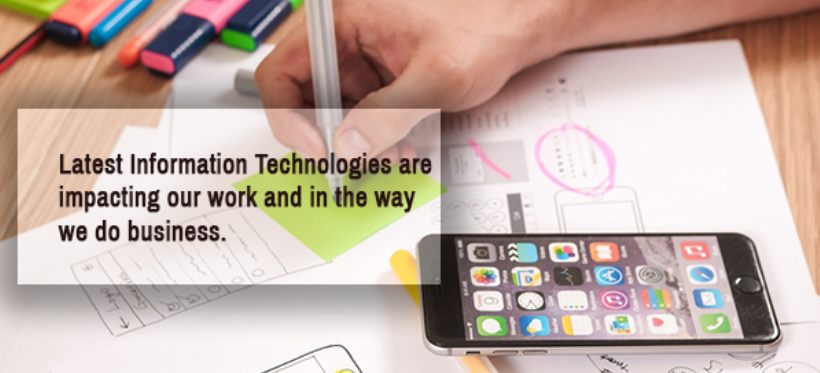
The influence of technology on modern business is profound. From small startups to global enterprises, digital systems now shape how companies operate, communicate, and scale. Automation is no longer optional it is becoming standard practice. Businesses increasingly depend on data-driven systems, artificial intelligence, and cloud-based tools to streamline operations and improve efficiency.
Technologies such as cloud computing platforms like Amazon Web Services, AI-powered tools from OpenAI, and business software ecosystems like Salesforce have transformed how organizations manage customers, marketing, and internal workflows. Today, it is difficult to find any business that operates entirely without technological support.
At the same time, individuals are pursuing passive income models and multiple revenue streams that rely heavily on digital infrastructure – e-commerce automation, online education platforms, algorithmic trading systems, and content monetization models. Hybrid vehicles, robotics, and intelligent supply chains are accelerating this shift even further.
The primary driver behind these advancements is efficiency – maximizing output, reducing costs, and outperforming competitors. Businesses aim to generate higher profits in less time while relying on fewer human resources. While this increases productivity, it also reshapes the labor market.
One of the major concerns is employment. Automation and AI can replace repetitive and predictable tasks, potentially widening unemployment gaps in many countries. Routine roles are gradually disappearing, while demand grows for specialized digital and analytical skills.
To adapt, the younger generation – particularly those aged 18 to 30 must focus on acquiring practical knowledge in computer science, data analysis, digital marketing, AI, and emerging technologies. The future job market will favor individuals who understand systems, can work alongside intelligent tools, and continuously upgrade their skills.
Despite the challenges, technological evolution will not stop. Innovation is cyclical while some jobs disappear, new industries and opportunities emerge. Someone will always rise to build the next platform, automate the next system, or disrupt the next industry. The real question is not whether technology will continue changing business but whether we are prepared to evolve with it.
Dedicated Article: How Technology has changed business
8. Cloud Technology Has Changed How We Store and Access Data

Gone are the days of storing personal and business data on physical devices like hard drives, CDs, or DVDs. With the rise of cloud computing, data can now be uploaded to remote servers and accessed anytime, from anywhere, using an internet connection.
Services such as Google Drive have made storing, sharing, and retrieving files effortless. There is no longer a need to install heavy software on individual computers or maintain expensive servers in offices. Everything is hosted in the cloud, allowing teams to collaborate seamlessly, whether they are working from home, traveling, or operating from different countries.
Why are businesses shifting toward cloud computing? The answer lies in efficiency and scalability. Business owners want to reduce operational costs, eliminate maintenance headaches, and streamline daily processes. Cloud platforms automatically handle updates, backups, and security patches, allowing companies to focus more on growth and less on infrastructure management.
Cloud computing provides significant advantages across different areas of life:
Business Data:
Organizations can securely store financial records, customer databases, employee information, contracts, and project files in the cloud. Platforms like Microsoft 365 and Google Workspace enable real-time collaboration, remote accessibility, and improved data security. Teams can work simultaneously on documents, monitor performance dashboards, and maintain backups without investing in physical storage systems.
Personal Data:
Individuals use cloud storage to safeguard photos, videos, documents, and personal files. Services like Dropbox and iCloud ensure automatic backups and cross-device synchronization. Even if a device is lost or damaged, the data remains protected and accessible.
Student Data:
Students benefit from cloud-based storage for assignments, research papers, presentations, and collaborative projects. With cloud productivity tools, they can access study materials from laptops, tablets, or smartphones without carrying physical storage devices. Group projects become more organized and efficient through shared access and real-time editing.
By adopting cloud computing, businesses, individuals, and students gain flexibility, security, and cost-effectiveness. It represents a shift from ownership of physical infrastructure to access-based digital services. As internet connectivity continues to improve worldwide, reliance on cloud technology will only increase, making it a cornerstone of the modern digital ecosystem.
9. Technology Has Changed Workplace Productivity

Technology has significantly reshaped the way we work, and its influence on productivity is undeniable. Modern businesses rely on digital tools to measure product and service quality, accelerate production cycles, automate marketing campaigns, conduct online sales, and perform detailed market research and competitor analysis.
Platforms such as Google Analytics allow businesses to track performance metrics in real time, while communication tools like Zoom and Slack enhance collaboration through virtual meetings, instant messaging, and file sharing. These technologies reduce delays, improve coordination, and enable remote teams to function efficiently across different time zones.
When implemented strategically, technological advancements can reduce operational costs, increase profitability, and improve overall product quality. Automation tools minimize repetitive tasks, allowing employees to focus on higher-value, creative, and strategic activities. This not only boosts productivity but also enhances job satisfaction when managed properly.
However, technology also has a negative side when misused. Excessive engagement with entertainment platforms such as YouTube and Facebook during working hours can significantly reduce efficiency. Distractions, constant notifications, and lack of digital discipline often lead to time loss and decreased output.
Furthermore, insufficient IT infrastructure, outdated systems, or poorly implemented software solutions can create more problems than benefits. Businesses that adopt new technologies without proper training, budgeting, or long-term planning may experience operational disruptions and financial strain. Rapid technological changes demand continuous learning and adaptation, which can be challenging for organizations lacking expertise or resources.
Despite these challenges, technology in the workplace remains largely positive when used responsibly. With the right infrastructure, clear usage policies, and a skilled workforce, businesses can maximize productivity while minimizing potential drawbacks. Ultimately, technology itself is neither good nor bad the outcome depends on how effectively it is managed and integrated into daily operations.
10. Technology Has Changed Human Behaviour and Amplified Human Greed

Technology has not only transformed industries and workplaces it has also reshaped human behavior. Our patience has noticeably declined. Even small inconveniences such as slow internet speed or delayed responses trigger frustration. Instant access to information, food delivery, entertainment, and communication has conditioned us to expect immediate results in every area of life.
In contrast to earlier generations, who were accustomed to waiting and adapting, we now operate in an environment dominated by speed and convenience. High-speed connectivity and smartphones have reduced our tolerance levels. We sometimes judge or underestimate people who are less technologically skilled or who cannot afford the latest devices.
Social media platforms such as Instagram and X have further influenced our psychology. A single notification, like, or comment can instantly shift our mood and attention. Important tasks are often interrupted because digital validation feels urgent. While we accumulate online friends and followers, we may overlook the needs of neighbors or local communities.
The internet is filled with motivational quotes and inspirational content, yet real-world action often falls short. Environmental concerns provide a clear example. We purchase bottled mineral water while neglecting the importance of preserving rivers and groundwater. Companies promote air purifiers rather than encouraging tree plantation. Convenience replaces responsibility.
Governments, in many cases, prioritize rapid industrialization as a pathway to economic growth and reduced unemployment. While industrial development generates revenue and infrastructure, it can also strain natural resources if sustainability is not prioritized. The focus on economic expansion sometimes overshadows environmental balance.
Within corporate systems, employees may feel pressured by performance metrics, automation targets, and continuous competition. Educational institutions frequently emphasize employability and productivity, preparing students to fit into structured systems rather than encouraging independent, sustainable thinking.
Ultimately, technology itself is neutral. Its impact depends entirely on how humans design, regulate, and use it. If guided by ethics, sustainability, and long-term vision, technology can enhance life. If driven solely by speed, profit, and unchecked ambition, it can deepen imbalance. The responsibility lies not in the machines, but in the mindset of the people who control them.
11. Technology Has Changed the Lives of Young People

Today’s youth is deeply connected to technology. From education to entertainment, communication to career planning, digital tools shape almost every aspect of their lives. In classrooms, teachers increasingly rely on online resources, smart boards, and digital platforms instead of solely delivering knowledge through traditional methods. Learning is no longer limited to textbooks; it extends to search engines, online tutorials, and virtual classrooms.
Platforms like YouTube and Google Classroom provide access to unlimited information, making students more aware and technically skilled at an earlier age. Children today can learn coding, graphic design, or even financial literacy from online sources before finishing school. This early exposure expands their knowledge base far beyond what was accessible to previous generations.
However, this transformation also presents concerns. While many young individuals are confident in online discussions and social media engagement, some may lack essential physical or life skills. Excessive screen time can reduce outdoor activities, physical fitness, and real-world social interaction. The question arises: is heavy internet dependence strengthening youth development, or weakening important foundational abilities?
Social media platforms such as Instagram and Facebook amplify voices, opinions, and even patriotism. Yet digital expression does not always translate into responsible real-world action. Issues such as water conservation, environmental cleanliness, and social safety often receive online attention but limited practical contribution.
Despite these drawbacks, technology offers tremendous career advantages for the younger generation. With the right digital skills, a student can become a programmer, graphic designer, content creator, digital marketer, or entrepreneur. Online freelancing platforms and remote work opportunities allow youth to earn independently and compete globally without geographical limitations.
Given both the positive and negative impacts, guidance becomes essential. Teachers, particularly in computer science and technology departments, must educate students not only on how to use technology but on how to use it responsibly, productively, and sustainably. Youth must learn digital discipline, ethical behavior, and environmental awareness alongside technical skills.
Technology will continue to influence young minds. The true outcome depends on whether it is used as a tool for empowerment and growth or allowed to become a source of distraction and imbalance.
12. The Future Is Unpredictable for Small Business Owners

Technology has accelerated the speed at which the world operates. Updates, innovations, and disruptions now happen every second. For small business owners and entrepreneurs, keeping up with this rapid pace can feel overwhelming. Competing in such an environment requires constant adaptation, learning, and strategic decision-making.
Technology has connected countries, markets, and customers onto a single digital platform. It is no exaggeration to say that the world has become a global village. However, within this village, influence often lies in the hands of those who control advanced technologies and large-scale data systems. Artificial intelligence, powered by companies like OpenAI, is reshaping industries at remarkable speed, and its growth shows no signs of slowing down.
Small business owners often struggle to match the technological capabilities of large corporations. Big companies use platforms such as Amazon Web Services and Google to collect, store, and analyze massive amounts of data. This allows them to predict customer behavior, optimize operations, and launch innovative products faster than smaller competitors.
The influence of technology is visible everywhere from driverless cars and robotics to cloud computing and digital finance systems. Large enterprises invest heavily in research, automation, and artificial intelligence to strengthen their market dominance. This concentration of technological power can make the future uncertain for small businesses that lack sufficient capital or technical expertise.
Yet, the situation is not hopeless. Technology is not reserved only for powerful corporations; it is also accessible to individuals who are willing to learn and adapt. Cloud tools, digital marketing platforms, e-commerce systems, and AI-based solutions are available to small business owners at affordable costs. The key requirement is knowledge, strategic thinking, and the courage to implement ideas consistently.
Continuous learning has become essential. Entrepreneurs must upgrade their skills, understand digital trends, and leverage technology wisely to stay competitive. At the same time, society must ensure that technological growth prioritizes social equity and environmental sustainability rather than profit alone.
True power in today’s world belongs to those who combine knowledge, financial discipline, and the trust of people. Anyone can build influence by solving real problems, creating value, and using technology ethically. While the future may be unpredictable, small business owners who embrace innovation with determination and adaptability can still thrive in the evolving digital landscape.
Conclusion
Technology has changed our lives in ways that previous generations could hardly imagine. It has improved communication, education, healthcare, business, productivity, and access to information, while also creating new challenges around privacy, attention, employment, health, and human behaviour.
In conclusion, technology acts as powerful fuel for both small and large companies. It enables them to generate new ideas, acquire knowledge, and develop innovative solutions that reshape industries. By collecting and analyzing user data, and by recruiting talented professionals, organizations strengthen their competitive advantage and expand their influence.
Companies like Tesla are building driverless vehicles, Boston Dynamics is advancing robotics, and global cloud providers such as Amazon Web Services are transforming how businesses store and process information. With such technological capabilities, corporations hold significant power to shape economies, societies, and even the future direction of humanity.
However, it is important to remember that nothing in this world is permanent including us and the technologies we create. While innovation drives progress and inspires new ways of thinking, we must remain conscious of our humanity. Technology should remain a tool in our hands, not a force that controls our values, relationships, or decisions.
Instead of allowing rapid advancements to widen inequality or damage the environment, we should make thoughtful technological choices. Innovation should prioritize accessibility for low-income communities, promote ethical standards, and support environmental sustainability. Progress without responsibility can create imbalance; progress guided by wisdom can create lasting benefit.
If any part of this discussion feels strong or uncomfortable, it was never meant to offend. The purpose of this article has simply been to reflect on the role of technology in our lives its power, its risks, and its possibilities. These thoughts are shared as observations based on understanding and reflection, with the hope that we use technology not only to advance but also to uplift humanity.
🎯 Ready to Test Yourself?
Take our free computer quiz and see how much you really know.
Take the Computer Quiz NowFrequently Asked Questions (FAQ)
1. What are the overall positive effects of technology on society?
Technology improves efficiency, connectivity, and access to information. It enhances healthcare systems, enables global communication, supports innovation, and creates new career opportunities. From cloud computing to artificial intelligence, technological advancements allow individuals and businesses to operate faster, smarter, and more effectively than ever before.
Read Nore: Positive and Negative impact of Internet on Society
2. What are the negative consequences of rapid technological growth?
Rapid technological growth can increase dependency, reduce patience, and widen economic inequality. Overuse of digital platforms may impact mental health, productivity, and real-world relationships. Additionally, automation can disrupt traditional jobs, creating uncertainty in the labor market. Read More: How technology has affected communication
3. How is technology affecting workplace productivity?
Technology significantly boosts productivity through automation, data analytics, cloud collaboration, and digital communication tools. However, misuse – such as excessive social media engagement or poor digital discipline can reduce efficiency. The impact depends largely on how responsibly and strategically technology is implemented within an organization.
4. Will technology ultimately control humanity?
Technology itself is neutral – it reflects the intentions of its creators and users. The future depends on human decision-making, regulation, and ethical awareness. If guided wisely, technology will remain a powerful tool for progress rather than a force that controls society.
5. Can technology be used responsibly for social and environmental good?
Yes. When guided by ethical policies, sustainability goals, and inclusive innovation, technology can improve quality of life, reduce environmental damage, and promote equal access to opportunities. The key lies not in limiting technology, but in directing it with human values and long-term responsibility.
6. What are the positive effects of technology on businesses?
Technology improves productivity, reduces operational costs, enhances communication, enables automation, and helps businesses scale globally through digital platforms and cloud systems.
7. How has technology changed our lives?
Technology has changed our lives by making communication faster, education more accessible, healthcare more advanced, and everyday tasks more convenient. Smartphones, artificial intelligence, cloud computing, digital payments, and online services now influence how we work, learn, communicate, shop, and make decisions.
8. What are some examples of technology in everyday life?
Common examples of technology in everyday life include smartphones, laptops, Wi-Fi, GPS navigation, digital payments, smartwatches, cloud storage, video calling, artificial intelligence, streaming services, and smart home devices. Many of these technologies have become so integrated into daily routines that we often use them without thinking about them as technology.
9. How has technology improved our daily lives?
Technology has improved our daily lives by saving time, simplifying everyday tasks, providing instant access to information, and connecting people across long distances. It has also made services such as online banking, shopping, education, healthcare consultations, navigation, and remote work easier to access.
10. How has technology changed the way we communicate?
Technology has transformed communication from slow and location-dependent methods into instant global communication. Messaging apps, social media, email, video calls, and AI-powered tools allow people to communicate, collaborate, translate languages, and share information almost instantly.


I truly wanted to enjoy this article, but there are many spelling errors and grammar errors. Just made it very difficult to read. You have a good idea, just need to fix the many mistakes to be taken seriously.
very good
Well written but too much spelling errors.
yup, technology have positive and negative impact on our society especially artificial intelligence.